

27 Nov Use & Application of Solar Power Plant
As the global shift toward clean energy accelerates, solar power plants have emerged as a reliable source of electricity. By converting sunlight into power, they steadily reduce dependence on traditional energy systems.
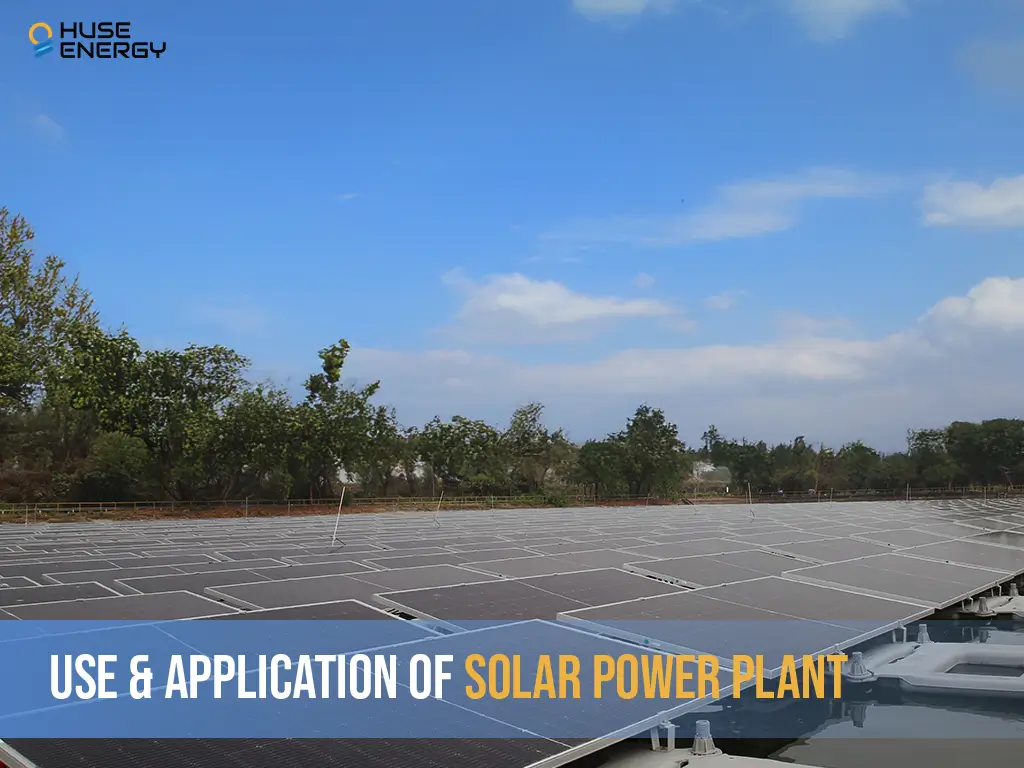
The adoption of floating solar power plants is growing quickly, reaching industrial facilities, homes, and remote areas that benefit from off-grid solutions. With their blend of cost-efficiency and sustainability, floating solar systems are becoming one of the most promising energy sources for the future. Exploring their uses and future prospects is central to supporting the global transition to clean energy.
Major Uses & Applications of Solar Power Plants in Different Sectors
Any industry can easily utilize solar energy in place of expensive grid power. Rural infrastructure especially, depends mostly on the application of solar power plants for daily energy needs. Today, a solar power plant allows businesses to support and sustain necessary functions across multiple industries globally.
Electricity Generation
Floating solar power plants produce electricity for residential, commercial, and industrial purposes. Using the solar photovoltaic system, these panels convert solar energy into electricity. This electricity then powers lights, fans, and any other appliances in homes, offices, or any commercial spaces. This energy is stored in batteries, which makes them a cheaper substitute for conventional electricity.
Agricultural Use
Farmers are also using floating solar energy to run irrigation pumps, dryers, and water circulation. The agricultural space often experiences an unstable supply of electricity, so floating solar utility presents a more dependable option. At the same time, solar-run pumps, for instance, provide improved access to water in peak seasons. Installing floating solar panels on large lakes or barren land can offer a low-cost energy supply to the farmers.
Industrial Use
With high and consistent energy demands, industrial facilities often seek solutions that minimise operating costs without compromising performance. Floating Solar power has become a preferred option, with many factories deploying rooftop or ground-mounted systems to power equipment and lighting. Floating solar installations add further value by helping reduce carbon footprints and supporting cleaner operations. For many industry owners, adopting floating solar is now a strategic step toward meeting sustainability commitments.
Emergency Power Supply
Floating Solar systems provide dependable backup power sources when a loss of electricity occurs. Excess solar energy is stored by many hospitals, offices, and data centres for emergencies. Furthermore, adequate floating solar battery storage systems deliver reliable power without fuel consumption or noise. As a result, emergency systems run effortlessly without any interruptions.
Use in Transport
Floating Solar Power Technology is steadily reshaping the transport sector by enabling cleaner, self-sustaining mobility solutions. Solar-powered vehicles and solar-enabled charging infrastructure are becoming increasingly common across electric buses, EV fleets, and marine transport systems. In the marine sector especially, floating solar technology allows everything from large cargo vessels to small passenger steamers to generate their own electricity directly from onboard solar arrays. This shift not only reduces fuel dependence but also opens the door to more efficient and environmentally responsible transportation models.
Publications, Infrastructure, and Utilities
Floating Solar Power Plants are increasingly being integrated into urban systems, supplying electricity to streetlights, water treatment facilities, metro stations, and government buildings. This not only reduces energy expenditure for public infrastructure but also strengthens the reliability of essential city services. By adding supplemental, renewable capacity to the grid, floating solar installations enhance the overall resilience and efficiency of urban environments.
Technology and Data Centres
Solar power provides data centres with a stable, low-cost energy source capable of supporting high-performance servers while reducing overall carbon emissions. It also ensures long-term cost efficiency through predictable, renewable power generation. Floating Solar panels can further support this ecosystem by supplementing the electricity requirements of dense urban infrastructure, strengthening reliability and sustainability across city operations.
Residential and Commercial Use
Solar power is increasingly being adopted across commercial facilities to support lighting, equipment, and backup systems, helping organisations better manage their energy costs. As adoption grows in business environments, companies benefit from greater savings, improved efficiency, and reduced dependence on traditional power sources. In this landscape, more advanced floating solar panels are emerging as a preferred solution for commercial and industrial energy needs, offering reliable, scalable, and sustainable power generation.
Advantages of Supporting the Application of Solar Power Plants
The application of Floating Solar plants deliver a wide range of advantages. Here are some of the reasons they are becoming an increasingly preferred energy option for both individuals and businesses.
Reduces Long-Term Electricity Costs
Floating Solar Plants can substantially reduce electricity costs over time. Although the installation may involve an initial investment, the long-term savings are considerable, often resulting in a faster return on investment. These systems also protect users from rising and unpredictable electricity prices, offering greater cost stability and financial efficiency.
Provides Clean and Renewable Energy
Floating Solar technology generates clean energy with no harmful emissions. Therefore, the application protects the environment. Many organisations implement floating solar technology as a way to comply with green standards. Additionally, floating solar energy is renewable and plentiful. In other words, there will be no scarcity of solar energy in the years to come.
Supports Energy Security and Reliability
Floating Solar Tech enhances energy security during periods of high demand by providing a consistent and dependable power source. Modern floating solar systems continue to generate usable electricity even under varying weather conditions, ensuring steady output. When paired with storage solutions, the stored energy can support critical operations during supply shortages or grid interruptions. Together, these capabilities strengthen energy reliability across all sectors.
Future Trends Strengthening the Application of Floating Solar Power.
The future outlook for solar energy points to rapid growth and wider adoption across industries. Continuous technological and operational advancements will improve the efficiency, flexibility, and usability of modern solar systems. As these innovations accelerate, global reliance on solar energy is expected to expand even further. Floating Solar will play a significant role in this evolution, offering scalable and high-performance renewable power for the decades ahead.
· Increased Use of Solar Storage Solutions: Advancements in solar battery systems will further enhance the energy storage facility.
· Smart-grid and IoT Solar Systems: Smart systems provide real-time monitoring of energy generation and use, resulting in improved user efficiency.
Therefore, floating solar companies in India will witness more growth and demand. Considering the governmental inclinations towards sustainable energy, this sector will only flourish in the future.
At Huse Energy , we actively support this clean energy shift with innovative components designed for long-lasting solar infrastructure. We are committed to helping industries and communities adopt reliable and efficient solar power solutions for a greener future.