

25 Jan Floating Solar Energy Technology Powering Sustainability From Water Bodies
What Is Sustainable Floating Solar Energy Technology and How Does it Work?
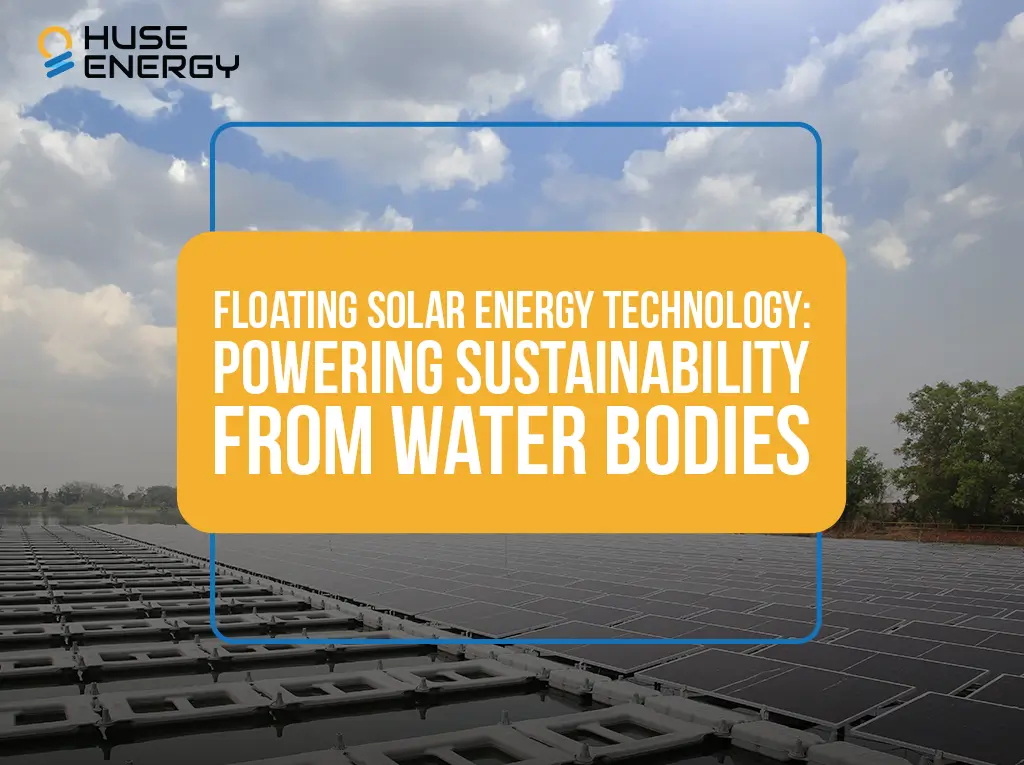
Floating solar energy technology is defined as the placement of photovoltaic (solar) panels on floating platforms located on the surface of water. Floating solar platforms are typically positioned around river systems, lakes, and canals. Once sunlight strikes the photovoltaic panels, they will generate electricity using the same principles as standard solar energy systems. Its function includes;Design and Construction of Floating Solar Energy Technology
High-density polyethylene (HDPE) is used to create a floating platform to lift and support solar panels away from the water. These panels are resistant to corrosion, UV rays, and extreme weather conditions.Solar Power Generation Process
Solar energy systems consisting of solar panels use the sun’s rays to produce direct current (DC) electricity when the sun shines on them. The DC electricity produced by the panels is converted to alternating current (AC) electricity for connection to the electric utility (grid) by inverter(s). This means that floating solar energy systems can easily be integrated into existing electric utilities.Cooling Effect and Efficiency Improvement
Due to their location on bodies of water, floating solar panels are exposed to the evaporative cooling effect of water as the sun’s rays strike them. This, in turn, keeps the panels cooler than what would be expected if they were mounted on the ground.Grid Connection and Power Transmission
Electricity from floating solar transfers waterproof cables to an onshore substation. From the electric utility or other power transmission facilities, this electricity is then distributed locally or directly consumed by local customers.Environmental and Operational Advantages
Floating solar energy technology significantly reduces the amount of land used for solar energy generation. Additionally, since the panels create shade on the water surface, they are effective in preventing the solidification of algae and maintaining or improving water quality.Also Read : Use & Application of Solar Power Plant
Environmental and Sustainability Benefits for Floating Solar Technology
In a growing concern about climate change, developing renewable or sustainable energy sources becomes imperative. Floating Solar represents a major way to help achieve both environmental protection efforts and the continued growth of energy demand through responsible support of existing resources.Reduce Carbon Emissions:
The use of Floating Solar will create electricity with little to no greenhouse gas emissions.Preserve Land Resources:
Floating Solar installs in large areas without creating the need to clear-cut forests or displacing agricultural land.Support the Stability of Ecosystems:
By allowing for shading of water surface areas, Floating Solar will help maintain a more stable temperature for aquatic life.Support Water Resource Protection:
Lowering the evaporation rate of water will provide additional access to the water for agricultural and urban consumption.Provide Climate Resiliency:
Floating solar energy technology will enable the constant use of existing bimodal/renewable energy resources even when the land is affected.Support Long-Term Sustainability:
Low operating and maintenance costs will ensure the long-term viability and environmental improvement through a sustainable energy solution.Top Floating Solar Energy Technology Manufacturer in India
For India’s renewable transition to be successful, you need the support of experienced and innovative solution providers. Huse Energy has been creating floating solar energy solutions, typically suited for the environmental conditions found in India. Huse Energy’s comprehensive experience covers the areas including design of systems, engineering and project execution.Conclusion
Floating solar energy systems will allow water bodies to provide sustainable energy systems. With innovative ideas and increased execution, this technology will massively influence future energy generation. By focusing on developing cutting-edge technological innovations in floating solar energy, Huse Energy is at the forefront of India’s transition to clean energy. So, check out the floating solar technology solutions and feel confident about creating a healthier future for your family!FAQ On floating solar energy technology
What is floating solar energy technology?
Floating solar energy technology refers to solar power systems installed on water bodies such as lakes, reservoirs, and ponds. Instead of occupying valuable land, solar panels float on specially designed platforms. Huse Energy leverages advanced floating solar energy technology to maximize clean power generation while conserving land resources.
How does floating solar energy technology work?
Floating solar energy technology works by mounting photovoltaic (PV) panels on buoyant structures that rest on water surfaces. These systems are anchored securely and connected to onshore power infrastructure. Huse Energy designs efficient floating solar systems that ensure stability, durability, and optimal energy output
. What are the benefits of floating solar energy technology?
Floating solar energy technology offers multiple benefits, including reduced land usage, improved panel efficiency due to water cooling, minimized water evaporation, and sustainable energy production. Huse Energy integrates these advantages to deliver eco-friendly and high-performance solar solutions.
Why choose Huse Energy for floating solar energy technology solutions?
Huse Energy combines innovation, engineering expertise, and sustainability to deliver reliable floating solar energy technology systems. The company focuses on customized designs, long-term durability, and maximum energy efficiency for industrial, commercial, and utility-scale projects.
Is floating solar energy technology suitable for industrial applications?
Yes, floating solar energy technology is highly suitable for industrial facilities with access to water bodies. It helps reduce electricity costs and carbon footprints. Huse Energy provides scalable floating solar solutions tailored to industrial energy demands.
How does floating solar energy technology improve solar panel efficiency?
Water beneath floating solar panels naturally cools the system, reducing heat buildup and improving panel efficiency. Huse Energy utilizes advanced engineering to optimize cooling effects and enhance overall energy performance.
Is floating solar energy technology environmentally friendly?
Absolutely. Floating solar energy technology reduces land disruption, limits water evaporation, and generates renewable power. Huse Energy ensures that all installations meet environmental safety standards while promoting sustainable development.
What types of water bodies are suitable for floating solar energy technology?
Floating solar energy technology can be installed on reservoirs, lakes, irrigation ponds, mining pits, and water treatment plants. Huse Energy conducts site assessments to determine the feasibility and efficiency of each installation.
What maintenance is required for floating solar energy technology systems?
Floating solar systems require routine inspections, cleaning of panels, and monitoring of anchoring systems. Huse Energy offers comprehensive maintenance and monitoring services to ensure long-term reliability and performance.
What is the future of floating solar energy technology in India?
Floating solar energy technology is rapidly growing in India due to land constraints and increasing renewable energy targets. Huse Energy is actively contributing to this growth by delivering innovative floating solar projects that support India’s clean energy transition.
What is the latest in solar power technology?
Some notable advancements in solar technology include perovskite solar cells, energy storage solutions, and tracking systems known for offering high efficiency by minimizing production costs. With an emphasis on floating solar panels, HUSE is leading the way in innovation with products like the HU-F001. This floating PV panel is designed to reduce water evaporation and provide efficient land use by positioning it over water bodies like lakes and reservoirs. The cooling effect of water improves panel performance and increases panel lifespan.
What is the most efficient floating solar energy technology?
Monocrystalline solar panels are the most efficient floating solar energy technology available, with efficiency ratings of 15-22%. They are made from the purest silicon, making them more durable than other types of panels. Another efficient option is floating solar panels. These are installed on water bodies, such as lakes and reservoirs, which help to keep the panels cool and increase their efficiency. Both types offer great performance, but monocrystalline panels are known for their high efficiency and longevity.
What are the basics of floating solar energy technology?
floating solar energy technology uses sunlight to produce energy. The basic components include solar panels, which capture sunlight, and convert it into electricity using photovoltaic cells. This electricity can power homes, businesses, and devices. An inverter changes the direct current (DC) produced by the panels into alternating current (AC), which is usable by most appliances.
Batteries may store excess energy for later use. floating solar energy technology is environmentally friendly, reduces electricity bills, and can work even in cloudy weather, making it a versatile and sustainable energy source.
How does floating solar energy technology work?
floating solar energy technology works by converting sunlight into electricity using solar panels. These panels contain solar cells made of materials like silicon. When sunlight hits these cells, it creates an electrical current through a process called the photovoltaic effect. This current is then used to power your home or business. Excess energy can be stored in batteries or sent back to the power grid. floating solar energy technology is a clean and renewable way to generate electricity.