

30 Mar Things to Know about Floating Solar Energy Systems
Solar energy has taken a different shape, the floating solar energy system, which utilizes water bodies to produce clean energy. It is made efficient and durable offering a simple-to-scale, future-ready solution to industries and governments. Also, it contributes to accelerating the renewable process, optimizing the space and the performance of large-scale projects in terms of energy.
What Is a Floating Solar Energy System and How Does It Work?
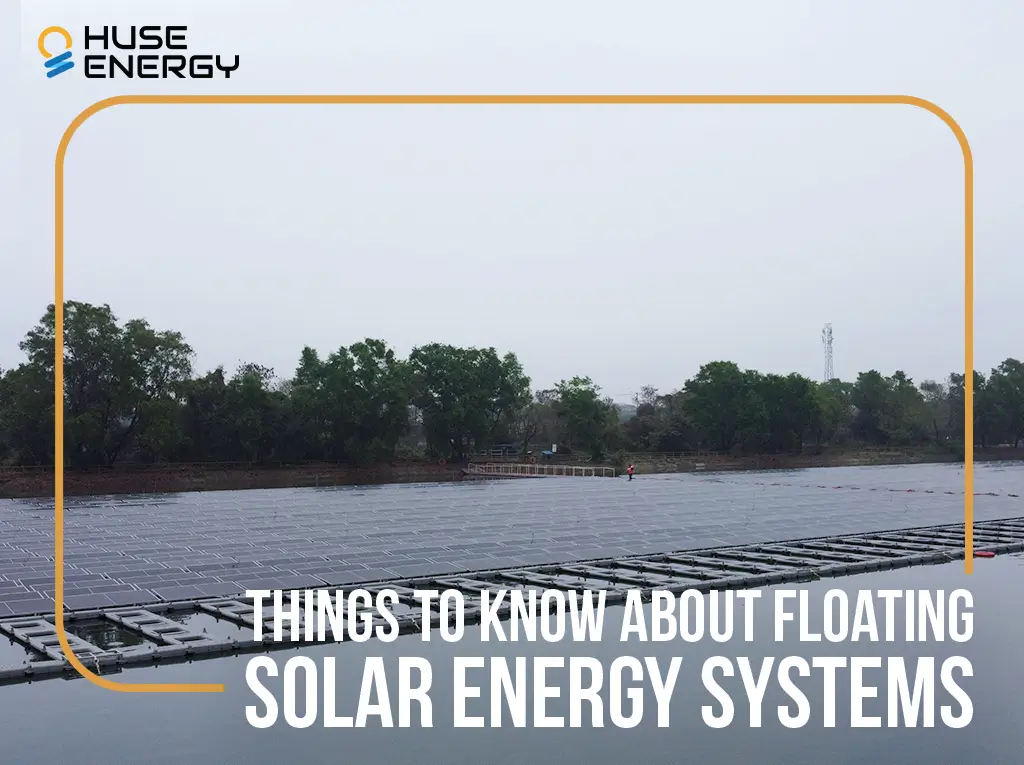
Floating photovoltaic systems, or floating solar energy, is a solar energy system placed in water bodies. These systems are placed in reservoirs, lakes or ponds to maximize the surfaces that would not otherwise be utilized to produce energy. They also have extended floats, good fixing and inverters that transform solar energy into usable electricity.
How Does a Floating Solar Energy System Differ from a Traditional Solar System?
Both floating solar and traditional solar systems utilize sunlight and generate electricity. But these two systems differ significantly in their design, implementation, and functionality. Land-based systems are used in traditional systems. But, floating solar energy technology works on water-based systems.
1. Better Space Utilization
The solar systems float on water bodies, thus reducing the need to consume vast land areas compared to traditional systems. So, unlike conventional systems, floating solar systems could work well in areas with limited land. It ensures that industries and other utility generation processes do not interfere with agricultural or urban development projects.
2. Increased Environmental Performance
Covering water surfaces, floating solar systems help to reduce water evaporation, which leads to environmental benefits. Traditional solar systems, conversely, do not have such advantages. So, it means floating solar is a more environmentally friendly and resource-conserving solution.
Benefits of Floating Solar Energy
A floating solar power system like the one Huse Energy offers, is becoming a force to reckon with when compared to conventional solar-powered systems. This has major benefits in terms of the environment and operation. Besides being sustainable power plants, they offer the following benefits.
Efficient Land Use
Floating solar systems do not demand extensive land according to the use of water bodies like reservoirs, lakes and ponds. This is particularly desirable in high-density or industrial areas where there is low availability of land. So, here, the energy production can take place without interfering with the current land utilization.
Higher Energy Output
Water cools down the panels and ensures better efficiency of the system. The floating solar panels are also a more productive solution to a large-scale renewable energy production project compared to land-based installations. It is because they produce more electricity under the same conditions.
Reduced Water Evaporation
Floating solar energy systems cover the water bodies and this prevents a large amount of water evaporation. This can be very useful, especially in places where there is a scarcity of water. It is because it can save vital water supply and at the same time produce clean and sustainable power.
Lower Maintenance Needs
Floating solar projects are usually less subject to dust compared to ground mounted installations. So, this lowers the rate of washing and maintenance, leading to lower operation costs. Because of that, it guarantees better long-term performance for utility-scale industries and energy developers.
Conclusion
In summary, the floating solar energy technology is reshaping renewable energy production because of its ability to produce efficiency, sustainability, and intelligent use of space. This advanced solution can provide long term value to industries and governments as there has been an increase in the demand for scalable clean energy. But to get the most from it, partner with Huse Energy. It helps you get future-proof, stable floating solar solutions with superior engineering and advanced floaters, backed by end-to-end EPC experience.